
What is a Credit Score?
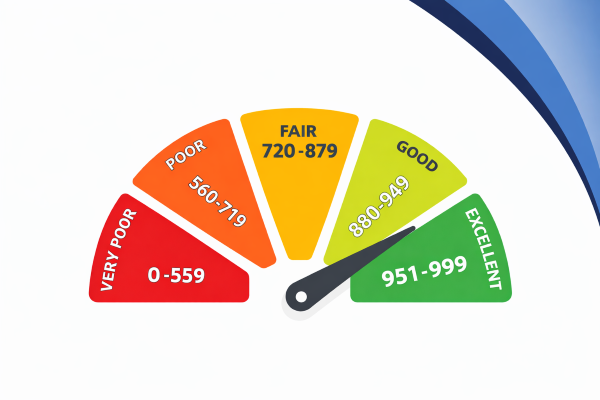
When James decided it was time to apply for a mortgage, he assumed his steady income would be enough. He had worked consistently for years and rarely missed a bill. What he had not considered was his credit score. Within minutes of submitting his application, the lender’s decision was influenced by a three-digit number that summarised his entire borrowing history.
This number is not random. It is calculated using information held on your credit report. Factors include your repayment history, the amount of credit you are currently using, how long you have held credit accounts, and whether you have experienced financial difficulties such as defaults, County Court Judgements, or bankruptcy. Even small details, such as missed mobile phone payments or high credit card balances, can influence the outcome.
Lenders use credit scores to determine the likelihood that borrowed money will be repaid. The score does not make the decision alone, but it plays a significant role in credit cards, personal loans, car finance, and mortgage applications. In mortgage lending, it can affect not only approval but also the deposit required and the interest rate offered.
Understanding how your credit score works gives you control. Checking your credit report regularly, keeping balances low, making payments on time, and avoiding unnecessary credit applications can all help strengthen your position. Over time, responsible financial behaviour can improve your score and increase access to competitive lending options.
Your credit score tells a story about your financial reliability. Knowing what that story says and how to improve it can make a measurable difference when you apply for any form of borrowing.
What is a Credit Report and What Does it Include?

A credit report is a detailed record of your credit history. Lenders use this to assess your creditworthiness and decide what terms to offer.
A credit report includes personal details such as your name, date of birth, and address history. It lists previous and current credit accounts, showing amounts borrowed, repayment history, and any missed payments.
It also records financial difficulties, including defaults, CCJs, or bankruptcies. This will be recorded if you have used a debt collection agency to settle outstanding amounts. If you apply for a loan with another person, such as a joint mortgage, their credit history may be linked to yours, but this does not necessarily impact your individual score.
How to Check Your Credit Score and the Cost
In the UK, there are three main credit reference agencies: Experian, Equifax, and TransUnion. These agencies collect and maintain information about your borrowing history and repayment behaviour.
You have the right to access your statutory credit report from each agency at no cost. This report shows the data lenders may review, including open accounts, payment history, credit limits, and any adverse records.
While the basic report is free, each agency also offers optional subscription services. These may include credit score tracking, alerts about changes to your file, and identity monitoring. These additional features usually come with a monthly fee.
Checking your credit report regularly helps you spot inaccuracies, outdated information, or signs of potential fraud. If errors are identified, you can raise a dispute directly with the relevant credit reference agency. Keeping your records accurate can support stronger lending decisions in the future.
What is Considered a Good Credit Score?
There is no single number that defines a good credit score. Each credit reference agency in the UK uses its own scoring range and methodology. As a result, what is considered good by one agency may look different to another.
In general, the higher your score within a given scoring system, the lower the perceived risk to a lender. A stronger score can improve your chances of being accepted for credit and may help you access more competitive interest rates.
However, lenders do not rely on your credit score alone. They also review your income, employment stability, and overall financial commitments. One key factor is your Loan to Value ratio, often referred to as LTV. This compares the size of your mortgage to the value of the property you are buying or remortgaging.
A lower LTV means you are borrowing a smaller percentage of the property’s value. This reduces the lender’s risk and can improve your chances of approval. When combined with stable income and manageable outgoings, a healthy LTV can strengthen your application even if your credit score is not perfect.
Factors That Affect Your Credit Score
Credit reference agencies such as Experian assess your financial behaviour to calculate your credit score. A consistent track record of managing borrowing responsibly can strengthen your rating. Making payments on time, every time, shows lenders that you are dependable and able to meet financial commitments.
Your registration on the electoral roll can also support your score. This helps confirm your identity and address, which reduces the risk for lenders when assessing applications.
How you use available credit matters. Regularly reaching your credit limit or maintaining high balances may indicate financial pressure. Submitting several credit applications within a short period can also reduce your score, as it may suggest a reliance on borrowing.
Having little or no credit history can present challenges. If you have never used credit, lenders have limited information to judge how you manage repayments. Building a modest and well-managed credit profile can therefore be beneficial.
Credit scoring models focus heavily on recent financial behaviour. Older issues, typically those more than six years old, generally carry less weight. This means that responsible financial management over time can help rebuild and strengthen your credit position.

Ways to Improve Your Credit Score
Practical Steps to Strengthen Your Credit Score
Improving your credit score takes consistency and careful financial management. Small changes can make a measurable difference over time.
- Pay Every Bill on Time: Meeting payment deadlines is one of the most important factors in building a strong credit profile. Lenders look for a history of reliable repayments. Even one missed payment can remain on your record for years. Setting up direct debits or payment reminders can reduce the risk of oversight.
- Keep Credit Utilisation Sensible: The amount of credit you use relative to your total available limit is called credit utilisation. High balances may suggest financial pressure. Keeping usage at a moderate level, ideally below 30% of your total credit limit, can support a healthier score.
- Check Your Credit Report Regularly: Errors in your credit file can negatively affect your credit score. This may include incorrect addresses, outdated accounts, or financial associations that no longer apply. Reviewing your report with the main UK credit reference agencies allows you to challenge inaccuracies and keep your information up to date.
- Avoid Frequent Credit Applications: Submitting several credit applications within a short period can signal risk to lenders. Each application leaves a footprint on your credit file. Spacing out applications and only applying when necessary helps maintain stability in your credit profile.
Improving your credit score does not happen overnight. Responsible financial habits, maintained consistently, can gradually strengthen your position and improve access to future borrowing options.
Will Checking Your Credit Score Lower It?
Many people worry that reviewing their credit score could harm it. In most cases, this concern is unnecessary. The effect depends on the type of search carried out.
A soft search takes place when you check your own credit report or when a lender runs an eligibility check before a formal application. Soft searches do not reduce your credit score. They are recorded on your file but are only visible to you, not to other lenders.
A hard search happens when you submit a full application for credit, such as a mortgage, loan, or credit card. This type of check is visible to other lenders and can remain on your credit report for up to two years. One hard search is unlikely to cause a significant drop. However, several applications made within a short period, especially if declined, may suggest financial pressure and can affect how lenders assess your application.
Before agreeing to any credit application, review the terms carefully. Lenders are required to tell you if a hard search will be completed. Understanding the difference helps you protect your credit profile as you explore your borrowing options.
Useful Resources
Preparing for a mortgage involves more than reviewing your credit score. Deposit size, income stability, and overall affordability also play an important role in lender assessments.
If you are working with limited savings, our guide on How to Secure a Mortgage with a Low Deposit explains the options available and what lenders typically expect.
You may also benefit from speaking with a professional through our “ Find a Mortgage Adviser service. An adviser can review your credit profile, assess affordability, and help you understand which lenders may be suitable based on your individual circumstances.
Improving your credit score, strengthening your deposit position, and seeking tailored advice can significantly increase your chances of securing a competitive mortgage.
People who found this page helpful also explored these related topics
FAQ: What is a Credit Score?
| Question | Answer |
|---|---|
| What is a Credit Score? | A credit score is a number that represents how reliable you are at borrowing and repaying money. It’s based on your credit history, including loans, credit cards, and payment habits. Lenders use this score to decide whether to approve your mortgage application and what interest rates to offer. |
| How is a Credit Score calculated? | Credit reference agencies such as Experian, Equifax, and TransUnion calculate scores based on factors such as your payment history, outstanding debts, credit utilisation, and the age of your accounts. Each agency uses its own scale, so your score may vary slightly across agencies. |
| Why is my Credit Score important when applying for a mortgage? | A higher credit score increases your chances of being approved for a mortgage and can help you secure better interest rates. A lower score may limit your options or require a larger deposit. |
| Can I get a mortgage with a low Credit Score? | Yes, it’s still possible to get a mortgage with a low credit score, but you might need a specialist mortgage adviser to find suitable lenders. Some lenders focus on helping clients with limited or impaired credit histories. |
| How can I improve my Credit Score before applying for a mortgage? | Make all payments on time, register on the electoral roll, reduce outstanding debts, avoid applying for multiple credit accounts in a short period, and check your credit report for errors. Consistent financial behaviour over time can make a big difference. |