
Best Places to Buy | Where Your Property Story Begins – Every property journey starts with a question that feels simple but carries real weight. Where is the best place to buy?
For many buyers, the search begins with price comparisons or property listings. Over time, the focus shifts. The daily commute, the quality of local schools, access to green space, and the strength of the local economy start to matter just as much as square footage. The best place to buy is not only about the house itself. It is about how that location supports your long-term plans.
Some buyers are drawn to thriving town centres with strong transport links and consistent demand. Others prefer quieter residential areas that offer stability and room to grow. Investors may look for regeneration zones or areas with reliable rental yields. Each choice reflects a different goal, and each location offers distinct advantages.
Understanding what makes a place the right place requires careful consideration of infrastructure, property values, and affordability. As experienced mortgage professionals, we recognise that choosing the best place to buy is closely connected to borrowing strategy. Budget, lender criteria, and future resale potential all play a role.
The best place to buy is rarely defined by one factor. It is shaped by lifestyle, opportunity, and sound financial planning.
How to Choose the Best Place to Buy
Visit the Area at Different Times
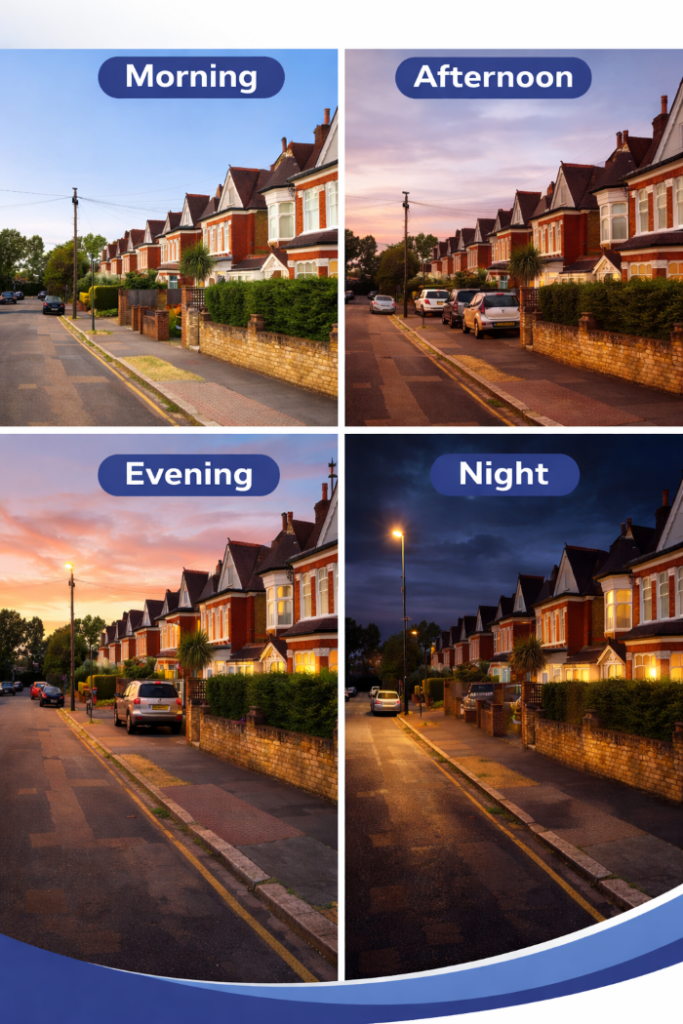
Before deciding that a location is the best place to buy, take time to experience it properly. A single viewing rarely gives a complete picture of how an area truly feels.
Visit during weekday mornings to assess traffic flow and commuting conditions. Check travel times to work, schools, or nearby stations. Return in the evening to see how busy the streets become and whether parking is limited. Weekends can reveal a different atmosphere, particularly in town centres or near retail and leisure facilities.
Pay attention to practical factors that may affect daily life. Consider noise levels from main roads, rail lines, or nearby commercial premises. Observe street lighting, general upkeep, and the condition of neighbouring properties. These details can influence both lifestyle and long-term property value.
Clients should also review local authority plans. Future developments, road changes, or new housing schemes can impact traffic, pricing, and demand. Checking planning applications and regeneration proposals provides a useful context before committing.
It is equally important to assess local amenities. Are schools, healthcare services, supermarkets, and public transport within reasonable reach? Reliable infrastructure supports both convenience and resale potential.
Spending time in an area helps you move beyond surface impressions. It allows you to evaluate whether the location aligns with your financial position, borrowing capacity, and long-term objectives. Taking this step reduces risk and ensures the place you choose genuinely supports your plans.
If you are looking at London properties that might be in your price range, read our 10 Cheapest Areas to Buy in London 2025.
Research Crime Rates and Safety
Safety is often one of the first factors buyers consider when deciding on the best place to buy. Feeling secure in your home and local area plays a major role in long term satisfaction and future resale value.
Before committing to a purchase, review official crime data published by UK police forces. These reports break down incidents by category and location, allowing you to understand patterns within specific postcodes. It is important to look at trends over time rather than focusing on a single month’s data.
Speaking with local residents can also provide useful context. Community forums and neighbourhood groups may offer insight into how safe people feel day to day, how responsive local authorities are, and whether crime levels are improving or declining.
Buyers should also consider practical implications. Higher reported crime rates can increase buildings and contents insurance premiums. Some lenders may factor area risk into property valuation assessments, particularly in locations affected by persistent antisocial behaviour or vandalism.
When assessing safety, look beyond crime figures alone. Street lighting, visible community presence, transport hubs, and proximity to schools or town centres can all influence how an area feels in practice.
Taking time to research safety properly helps ensure you choose not only the right property, but the right environment to support your long term plans.

Research School Catchment Areas and Education Standards

For many buyers, access to strong education provision is a major factor when deciding where to live. Reviewing school performance data, Ofsted ratings, admission policies, and catchment boundaries should form part of your early research.
Catchment areas can change from year to year, and admission is never guaranteed simply because a property is nearby. Some schools prioritise distance from the school gate, while others apply faith based, sibling, or academic criteria. Understanding these rules before making an offer can prevent unexpected complications later.
Even buyers without children should consider the impact of nearby schools. Properties located within desirable catchment areas often experience steady demand, which can support long term resale value.
It is also important to consider future plans. If you intend to move within a few years, choosing an area with well regarded schools may strengthen market appeal when you sell.
Before committing to a purchase, review official school data, confirm catchment boundaries directly with the local authority, and factor this into your overall affordability and mortgage planning.
Evaluate Local Amenities and Lifestyle Considerations
When deciding on the best place to buy, local amenities can have a lasting impact on daily life and long term property value. Convenience, accessibility, and community facilities should all be assessed before committing to a purchase.
Access to supermarkets, healthcare services, pharmacies, and banking facilities is important for everyday living. Restaurants, cafes, parks, gyms, and entertainment venues such as cinemas or theatres can enhance lifestyle and social opportunities. If places of worship, libraries, sports centres, or community hubs are significant to you, check their proximity and availability.
Buyers should also consider transport infrastructure. Reliable rail services, bus routes, and road connections can affect commuting times and future resale demand. School catchment areas may influence property prices, even for buyers without children. Reviewing local crime statistics, planned developments, and council investment projects can provide insight into how the area may change over time.
It is also sensible to review broadband speeds and mobile coverage, particularly for remote workers or business owners. For investors, rental demand, tenant profiles, and local employment hubs should be factored into the decision.
Understanding these elements helps ensure the area supports both your lifestyle and financial objectives. Taking time to evaluate amenities and infrastructure can reduce the risk of future dissatisfaction and strengthen long term property value.

Assess Healthcare and Emergency Services

Access to reliable healthcare should form part of your location research before committing to a property purchase. Registering with a local GP is essential, so check whether nearby practices are accepting new patients and review their NHS ratings where available. Waiting times, appointment availability, and patient feedback can provide useful insight into service standards.
It is also sensible to review access to dental practices, pharmacies, and opticians. In some areas, NHS dental places can be limited, which may affect ongoing costs if private care is required.
Buyers should consider proximity to hospitals with Accident and Emergency departments, particularly if travelling with children, elderly relatives, or if there are existing health conditions. Response times for ambulance services and the distance to urgent treatment centres can be relevant factors.
If specialist treatment is needed, confirm that appropriate facilities are accessible within reasonable travel time. This may include maternity units, mental health services, oncology departments, or rehabilitation centres.
Healthcare access can influence both lifestyle and long term suitability of a property. Reviewing these services in advance helps ensure that the location meets your practical needs as well as your financial objectives.
Transport and Commuting Options
Even the best place to buy can lose its appeal if travel becomes difficult or unpredictable. Before committing to a location, review how well it connects to your workplace, schools, and essential services.
Look at train frequency, peak time capacity, and typical journey times rather than advertised averages. Check bus routes, reliability, and how far the nearest stop or station is from the property. Walking distance and parking availability can significantly affect daily convenience.
If you drive, consider access to major roads and typical congestion levels during peak hours. Travel times can vary considerably depending on time of day and local traffic patterns.
It is sensible to complete a test commute at the same time you would normally travel. This provides a realistic understanding of journey duration and comfort.
Clients should also factor in travel costs when assessing affordability. Season tickets, fuel, parking fees, and potential toll charges form part of your overall monthly outgoings. Lenders assess your financial commitments when calculating affordability, so higher commuting costs may affect borrowing capacity.
Transport links also influence property demand and long term value. Areas with strong and reliable connections to employment hubs often maintain steady buyer interest. Considering both convenience and financial impact helps ensure your chosen location supports your lifestyle and remains sustainable over time.

Review Local Planning and Council Tax Before You Commit

Before deciding on the best place to buy, it is important to understand what may change in the area over time. Local planning applications can significantly influence property values, future demand, and overall quality of life.
Approved developments such as new transport links, retail centres, schools, or healthcare facilities can strengthen long term growth and improve convenience. However, large scale construction projects, industrial sites, or major road expansions may increase traffic, noise, or environmental impact. Buyers should review the local council planning portal to identify both approved and pending applications.
Council tax is another essential factor. Rates differ between local authorities and are based on property bands. Higher bands result in increased annual charges, which directly affect monthly affordability. Buyers should confirm the property’s council tax band and check current rates through the relevant local authority website.
Clients also need to consider whether any additional charges apply. Some new build estates may include service charges for shared spaces or private road maintenance. These costs should be factored into overall budgeting and lender affordability assessments.
Mortgage lenders assess total financial commitments when reviewing applications. Understanding council tax obligations and potential future developments helps you make an informed decision that aligns with both lifestyle goals and borrowing capacity. Taking time to research these elements reduces the risk of unexpected costs and supports a more confident property purchase.
Consider Environmental Factors Before You Buy
Location research should go beyond property prices and transport links. Environmental conditions can directly affect your safety, insurance costs, and long term property value.
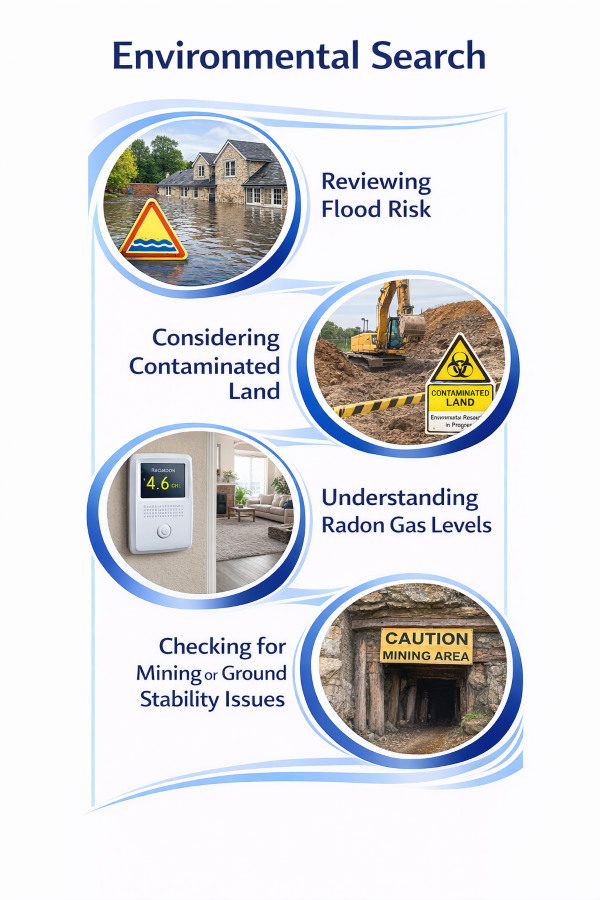
Flood risk is one of the most important checks. Some areas in the UK fall within designated flood zones. This can affect mortgage approval, buildings insurance premiums, and future resale potential. Lenders will usually require confirmation that suitable insurance cover is available before approving a mortgage.
Air quality is another factor to assess. Areas close to major roads or industrial sites may experience higher pollution levels. Poor air quality can impact health and may influence future buyer demand.
Traffic congestion and noise levels also deserve attention. Living near busy roads, rail lines, or commercial centres can result in consistent noise disruption. This can affect daily comfort and may reduce market appeal if you decide to sell later.
Clients should also review local authority planning applications. Approved developments nearby could change traffic flow, infrastructure, or the character of the area. Understanding what is planned helps you avoid unexpected changes after completion.
Before committing to a purchase, review environmental searches within the conveyancing process. Your solicitor will typically order searches that highlight flood history, contamination risks, and other environmental issues. These checks form an important part of due diligence and should never be overlooked.
Identify Up-and-Coming Areas

Purchasing in an area that is undergoing development can present strong long-term potential. Locations that are benefiting from regeneration, transport upgrades, or new commercial investment often experience increased demand over time.
Buyers should look for practical indicators of growth. These may include approved planning applications, new residential developments, improved rail or road links, and expanding retail or business hubs. Local authority regeneration projects and inward investment from major employers can also influence future property values.
However, potential growth should be assessed carefully. Clients need to consider current property prices, rental demand if relevant, and how future supply may affect values. Large-scale developments can significantly increase housing stock, which may influence short- to medium-term pricing.
It is also important to review lender criteria. Some lenders apply specific conditions to new build properties or flats in high-density developments. Deposit requirements and valuation methods can differ from standard residential purchases.
Before committing, buyers should assess affordability under current and future interest rate scenarios. A developing area may offer capital growth potential, but mortgage sustainability remains the priority.
Seeking advice from a mortgage adviser can help ensure that borrowing is structured appropriately and that the chosen location aligns with both financial objectives and long-term plans.
Browse Our Advisers





People who found this page helpful also explored these related topics
FAQ: Best Place to Buy
| Location | Why It’s Attractive | Key Metric / Trend |
|---|---|---|
| North East England | High rental yields and lower purchase prices | Gross yields in the region around 7.9 %+ for buy-to-let. |
| Glasgow, Scotland | Growing regeneration, large student & rental demand | Gross yield circa 7.25 %. |
| Bristol, South West | Urban growth, strong rental demand | Average yield about 6.44 %. |
| Midlands (e.g., Birmingham) | More affordable than London, good connectivity | Example: yield ~6.4 % in Birmingham. |
| Scotland (affordable towns) | Most affordable home-buying locations in the UK | Some towns: price to earnings ratio around 2.1 in certain areas. |
If you are Looking for a Mortgage Network
“Hi, I’m Liz Syms, Chief Executive Officer and founder of Connect Experts, Connect Mortgages, and Connect for Intermediaries.
If you are a UK mortgage broker, joining our mortgage network can help you increase your visibility to clients actively searching for trusted, FCA-authorised advice. Brokers featured on our mortgage brokers in your location are matched with clients who value clear communication and professional guidance, including those who prefer advice in a specific language.
Our platform is designed to support compliant, client-focused advisers and help you connect with the right audience across the UK.”
Choose the option that suits you best:
Option 1: Schedule a call with our Business Recruitment Manager
Option 2: Complete our contact form
Option 3: Call us