


Mortgage Brokers in County Armagh can help you connect the home you want with a financial commitment you understand.
Choosing a property often begins with possibility. Choosing a mortgage means looking more closely at what that possibility will cost.
An Armagh city home, a Portadown terrace and a rural property near Crossmaglen can raise different borrowing questions. Your income, deposit, credit history, and intended property use also shape your options.
Find Advice Around Your County Armagh Property Plans
A useful adviser search starts with the decision you need to make.
You may need help buying your first home, moving closer to family or reviewing an existing mortgage. Alternatively, your circumstances may involve business income, a rental property, or employment earnings across the border.
Use the mortgage adviser location search to explore advisers covering your intended purchase area.
An adviser can help you:
- Review your income, deposit and financial commitments.
- Understand potential borrowing limits.
- Compare suitable lenders and mortgage products.
- Consider fees alongside interest rates.
- Prepare documents for the application.
- Identify property features requiring closer assessment.
- Understand repayment arrangements and potential early repayment charges.
Ask about Northern Ireland experience, appointment options and fees before proceeding.
County Armagh Property: Understanding What You Are Financing
A property’s character can attract a buyer. Its condition, construction, and legal position also matter to lenders.
County Armagh offers a range of settings for homeownership. Your search may involve established town streets, village homes, modern developments or rural properties with land.
Consider the individual property rather than assuming every home within the county presents similar borrowing requirements.
Historic Homes and Conservation Areas
The council identifies conservation areas in Armagh city, Loughgall, Lurgan and Richhill. Check whether the actual property falls within a designated boundary.
Conservation status does not automatically prevent mortgage lending. However, previous alterations, proposed works, and the property’s condition may require further investigation.
Ask your solicitor about permissions and your surveyor about repairs. The council’s conservation-area guidance provides a useful starting point.
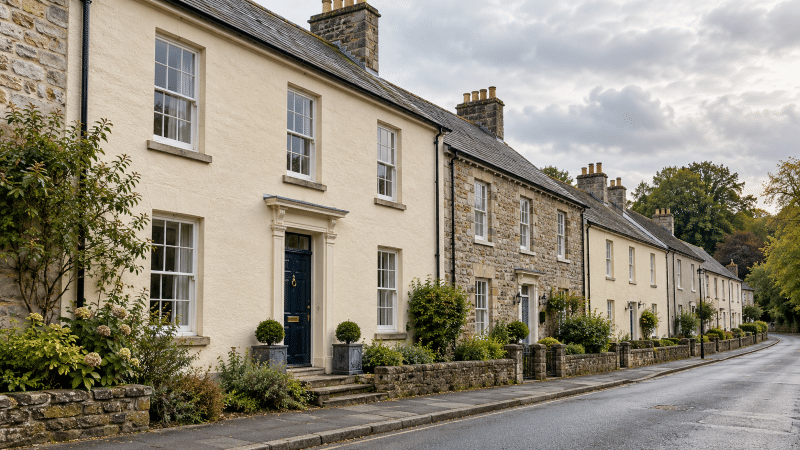
Choosing Mortgage Brokers in County Armagh with Relevant Experience
Advice becomes useful when it addresses the details that make your circumstances different.
Before choosing an adviser, consider their experience with your income, intended property and reason for borrowing.
| Your circumstances | Experience to ask about |
|---|---|
| Buying your first home | Deposit evidence, affordability and purchase costs |
| Moving home | Existing mortgage terms, timing and possible early repayment charges |
| Reviewing an existing deal | Product transfers, remortgages and total switching costs |
| Running a business | Accounts, tax documents and variable earnings |
| Earning in euros | Foreign-currency income and Northern Ireland lending criteria |
| Purchasing a rural home | Land, access, private services and property restrictions |
| Buying to let | Rental assessments, ownership structure and landlord lending |
You can independently check a firm’s regulatory status through the Financial Services Register.
If language support matters, find mortgage advisers by language.
Understanding the advice should form part of choosing the adviser.
Property Prices and Your Actual Budget
Official housing statistics need careful interpretation. Modern council boundaries do not match the historic county exactly.
Use the Northern Ireland House Price Index for regional context. Compare that information with local evidence for similar properties.
An average price can’t tell you what a particular home is worth or what you can afford.
Your budget should also include legal work, surveys, moving costs, domestic rates and ongoing maintenance. NI Direct explains the costs involved in buying a home.
Moving Within County Armagh: Consider the Life Beyond the Address
A workable home supports the routines that happen around it.
When buying in Portadown or Lurgan, compare your actual journey to work with the location of local services. Translink provides rail information for these areas, including Portadown’s Enterprise and local rail connections.
Use Translink to check the services relevant to your working hours.
For a village or rural property, consider shopping, school journeys, healthcare access and the cost of regular driving.
Include domestic rates in your monthly budget. The Department of Finance explains how to find a property’s estimated annual rates bill.
The purchase price is one part of affordability. The cost of living comfortably in that location deserves equal attention.
Match Your Mortgage Search to Your Next Decision
Mortgage Brokers in County Armagh may handle different types of borrowing. Choose relevant experience and confirm the adviser’s service coverage.
Buying Your First Home
Start with your deposit, regular spending, and the monthly payment you can sustain.
Keep purchase costs separate from the money available for your deposit. Discuss any gifted funds with your adviser early.
Explore first-time buyer mortgage advisers for support with these preparations.
Some buyers may also wish to investigate Co-Ownership. This Northern Ireland scheme allows eligible applicants to buy a share and pay rent on the remaining share. Applicant and property criteria apply.
Reviewing an Existing Mortgage
A change in interest rate can provide a reason to review your mortgage. So can a change in income or future plans.
Ask an adviser to compare your current lender’s options with suitable alternatives. Include fees, early repayment charges and the remaining mortgage term.
Find remortgage brokers to explore the best options.
Applying with Self-Employed Income
Business turnover does not necessarily represent the income a lender will use.
Explain your business structure, trading history and how you receive your earnings. Your adviser can identify the documents relevant lenders require.
Consider self-employed mortgage brokers before applying.
Living in County Armagh and Working Across the Border
Some residents work in the Republic of Ireland and earn in euros.
Lender approaches differ. For example, NatWest publishes criteria for applicants living in Northern Ireland and working in the Republic of Ireland. These include conditions on residency, banking, and income evidence.
Tell your adviser about the income currency, employer location and relevant bank accounts from the outset.
Ask how currency movements could affect affordability. Acceptance by one lender does not establish eligibility elsewhere.
Specialist Mortgage Considerations in County Armagh
A home can feel right before the borrowing details become clear. Specialist advice helps you review those details before you commit.
County Armagh purchases may involve rural land, business premises, rental plans or income earned across the border. Explain these circumstances early so an adviser can investigate suitable lenders.
Euro Earnings and Cross-Border Employment
Living in County Armagh while working in the Republic of Ireland can introduce additional income checks.
Tell your adviser which currency you receive, where you pay tax and how your employment operates. Lenders may request employment records, tax documents and statements from relevant bank accounts.
Currency movements can also affect the sterling value of your earnings. Ask how the lender assesses this risk.
Self-Employment and Variable Income
Business owners, contractors and applicants receiving overtime or commission may need a more detailed income assessment.
Lenders differ in how they assess profits, salary, dividends and fluctuating earnings. Prepare your accounts and tax documents before applying.
Explore self-employed mortgage brokers and confirm experience with your business structure and Northern Ireland purchases.
Rural Properties, Orchards and Mixed Use
A house with an orchard, workshop or adjoining land requires an accurate description of the whole purchase.
Explain whether you intend personal use, agricultural activity, commercial operations or letting. These distinctions can influence the appropriate mortgage route.
Ask your solicitor to investigate access rights, occupancy restrictions and relevant permissions. Your surveyor should assess the property’s physical condition.
Renovation and Short-Term Finance
A property needing substantial work may fall outside some residential lenders’ criteria.
Discuss its current condition, proposed improvements and how you will fund the work. If short-term finance is under consideration, examine its costs, repayment deadline and realistic repayment strategy.
Future mortgage approval is not guaranteed. Carefully assess any refinancing plan before you commit.
Rental Properties and Ownership Structures
Buying personally or through a limited company can create different lending and tax considerations.
An adviser can explain mortgage requirements, while a qualified tax adviser can assess the ownership implications.
Explore buy-to-let mortgage brokers for relevant lending experience.
Protecting the Mortgage and the Household Behind It
A mortgage supports a home, but the repayments depend on the household behind it.
Illness, injury or death can change that household’s finances. Protection advice helps you consider how your family would manage those changes.
Begin with your essential expenditure, existing savings and any benefits available through employment. Then discuss which risks remain.
Life Insurance
Life insurance can pay out if the insured person dies during the policy term, subject to its conditions.
Discuss the mortgage balance, policy term and any wider family needs. The right cover depends on who relies on your income.
Critical Illness Cover
Critical illness cover may pay a lump sum following a diagnosis that meets the policy’s specified definitions.
Policies differ in the conditions covered and the severity required. Ask your adviser to explain exclusions, limitations and how the cover fits your circumstances.
Income Protection
Income protection can replace part of your earnings if illness or injury prevents you from working, subject to policy terms.
Discuss employer sick pay, savings, occupation and the waiting period before payments begin. Self-employed applicants should explain their earnings and existing arrangements.
Buildings and Contents Insurance
Buildings insurance covers specified damage to the property’s structure. Mortgage lenders usually require suitable buildings cover.
Contents insurance covers belongings against insured events. Check excesses, exclusions and whether the cover reflects your household’s needs.
Review Cover as Your Household Changes
Moving home, increasing borrowing or becoming a parent can change your protection needs. Employment changes may also affect existing benefits.
Review current policies before replacing them. Cancelling cover prematurely could leave a gap or mean losing valuable terms.
Education Finance in County Armagh: Planning Beyond the Next School Term
A child’s education can shape family decisions for years. Funding it deserves the same long-term attention as choosing a home.
For County Armagh families considering fee-paying education, calculate the full commitment before exploring borrowing.
Include tuition, transport, uniforms, equipment and activities. Consider how costs could change, particularly when siblings attend at the same time.
Eligible homeowners may have options including a further advance, remortgage or second charge mortgage. Availability depends on affordability, property equity and lender criteria.
Explore education finance through Connect Mortgages to understand possible funding routes and their implications.
Ask an adviser to compare interest, fees, repayment terms and the effect on your existing mortgage. Confirm product availability for Northern Ireland properties.
Borrowing over a longer period can increase the total interest paid. Repayments may continue after your child finishes education.
Your funding plan should leave room for household expenses, unexpected costs and retirement saving.
Your home may be repossessed if you do not keep up repayments on your mortgage or other loans secured against it.
Later Life Mortgages in County Armagh: Keeping Future Choices Open
A home holds memories as well as financial value. Borrowing in later life should respect both.
County Armagh homeowners may seek advice when approaching retirement, moving home or reviewing an interest-only mortgage.
Start with your retirement income, household expenditure and future housing needs. Consider how those circumstances could change.
Depending on eligibility, options may include:
Residential mortgages: borrowing assessed against acceptable income, affordability, age and the proposed mortgage term.
Retirement interest-only mortgages: monthly interest payments, with capital usually repaid following specified events, such as death or permanent long-term care.
Lifetime mortgages: borrowing secured against the home, where unpaid interest can accumulate and increase the balance.
Each route has different costs, conditions and repayment requirements. Product availability also varies for properties in Northern Ireland.
Use our Equity Release Advisers in County Armagh search to find relevant expertise and confirm County Armagh coverage.
Discuss alternatives, including downsizing, using savings or reducing the amount borrowed. Ask how borrowing could affect inheritance, means-tested benefits and future moving plans.
For joint applicants, consider whether the arrangement remains manageable if one person dies or enters long-term care.
Equity release requires specialist advice. Confirm that your chosen adviser holds the appropriate qualifications and permissions.
A lifetime mortgage reduces your estate’s value and may affect your entitlement to means-tested benefits.
Find Mortgage Brokers Across County Armagh
Tandragee Mortgage Advice: Know the Numbers Before You Buy
Richhill Mortgage Advice: Think Beyond the Front Door
Portadown Mortgage Advice: Make the Right Move Matter

Markethill Mortgage Advice: Ask Better Questions Before You Buy
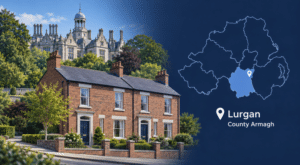
Lurgan Mortgage Advice: Think Beyond the Interest Rate
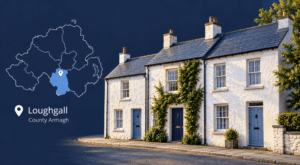
Loughgall Mortgage Advice: Look Beyond the Interest Rate
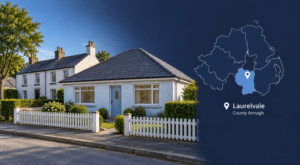
Laurelvale Mortgage Advice: Protect the Life Behind the Loan
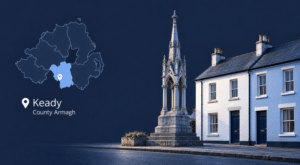
Keady Mortgage Advice: Confidence Before You Commit
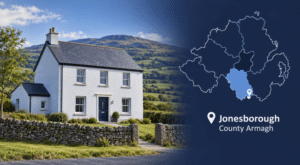
Jonesborough Mortgage Advice: A Border Village, A Clear Plan
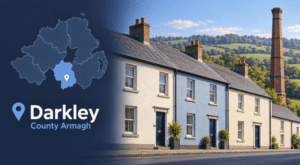
Darkley Mortgage Advice: Ask Better Questions Before You Borrow
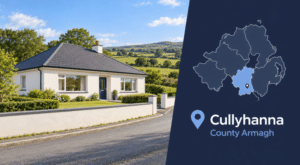
Cullyhanna Mortgage Advice: Make Your Rural Move Count
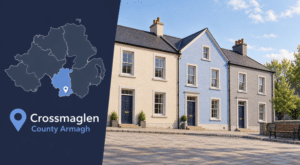
Crossmaglen Mortgage Advice: Make Every Decision Count
Craigavon Mortgage Advice: Build Your Next Move on Solid Ground
Camlough Mortgage Advice: Make Your Next Move Count
Bessbrook Mortgage Advice: Look Beyond the Asking Price
Armagh Mortgage Advice: Start With the Property, Not the Rate
People Also Browse these Counties
A Mortgage Network for Advisers Serving County Armagh
A strong adviser network should help brokers become more visible without losing sight of its purpose: connecting the right client with the right expertise.
If you are a UK mortgage broker covering County Armagh, joining the Connect network can help you reach clients actively searching by location, mortgage requirement and language.
The platform is designed around compliant, client-focused advice and allows consumers to look beyond a generic list of brokers to find somebody whose experience reflects their needs.
For advisers seeking network support, compliance infrastructure and greater consumer visibility, explore Connect for Intermediaries and its mortgage network.
The aim is not simply to appear in more searches.
It is to be found by the people you are genuinely equipped to help.
Choose the option that suits you best:
Option 1: Schedule a call with our Business Recruitment Manager
Option 2: Complete our contact form
Option 3: Call us

Connect Experts is a mortgage adviser directory and matching platform. We help users find FCA-authorised mortgage advisers. We are not a lender, and the adviser you choose will provide advice based on your circumstances.
Important:
Your home may be repossessed if you do not keep up repayments on your mortgage or any loan secured on it. Some forms of buy-to-let, commercial mortgage and business finance may not be regulated by the Financial Conduct Authority.