
Why Move to Norfolk?
Norfolk offers coast, countryside, market towns, and city life. It sits in the East of England and includes Norwich, King’s Lynn, Great Yarmouth, Thetford, Dereham, Cromer, and many villages. ONS lists Norfolk as a county in the East of England.
The county suits many buyers. Some want a city base in Norwich. Others prefer a coastal town such as Cromer, Sheringham, or Wells-next-the-Sea. Many families also look inland, where towns such as Wymondham, Dereham, Fakenham, and Attleborough offer more space.
Norfolk is known for its big skies, long coastline, and rural character. North Norfolk alone has 45 miles of coastline, Blue Flag beaches, the Deep History Coast, market towns, villages, and countryside.
The Broads also add a rare lifestyle benefit. The Broads National Park covers 303 square kilometres and includes lakes, rivers, footpaths, mills, villages, and rare wildlife.
For many movers, Norfolk offers balance. It gives access to nature, schools, employment, and housing choices. At the same time, Norwich provides shops, culture, universities, and rail links to London.
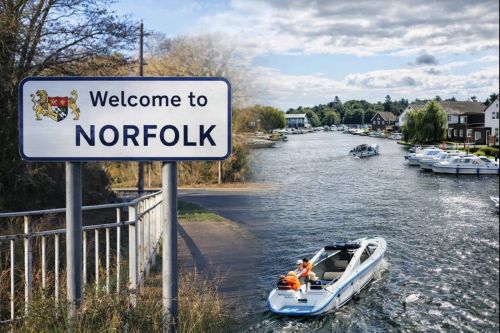
Why Move to Norfolk - What to Expect
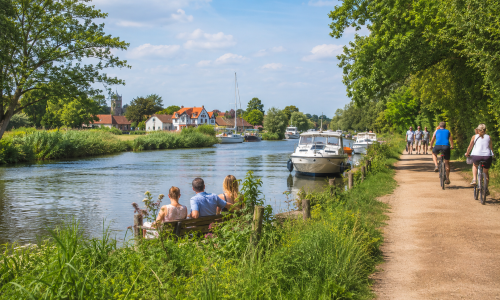
Norfolk has a calm pace, but it is not remote. Norwich gives the county a strong cultural centre. Coastal towns offer sea views and local tourism. Rural villages provide space, character, and community life.
You can choose from different lifestyles. Norwich suits professionals, students, and buyers who want city access. King’s Lynn and Great Yarmouth appeal to those who want larger towns and local employment. Meanwhile, North Norfolk suits buyers who value coast, countryside, and heritage.
The county has strong natural appeal. The Broads, the Norfolk Coast, Thetford Forest, Holkham, Sandringham, and market towns give residents many places to explore. Visit Norfolk promotes the county for coast, countryside, city breaks, attractions, events, and itineraries.
Norfolk can also suit remote and hybrid workers. The lifestyle is quieter than in many large urban areas. However, Norwich still offers business services, education, healthcare, and a growing creative scene.
Housing in Norfolk: Exploring Your Options
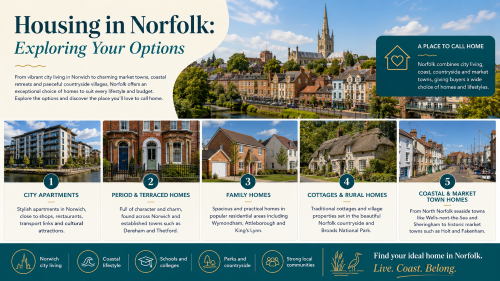
Norfolk offers a wide mix of homes. Buyers can find city flats, Victorian terraces, modern estates, cottages, bungalows, farmhouses, and coastal homes.
Prices vary by district and location. In March 2026, the average house price in Norwich was £226,000. The average monthly private rent was £1,149 in April 2026.
North Norfolk is often higher priced due to coastal demand. The average house price there was £286,000 in February 2026. The average rent was £856 in March 2026.
South Norfolk also attracts families and commuters. The average house price there was £306,000 in February 2026. Average monthly rent was £969 in March 2026.
King’s Lynn and West Norfolk can offer more value. The average house price was £267,000 in February 2026. The average rent was £930 in March 2026.
Different areas suit different needs. Norwich offers flats and terraces near shops, universities, and transport. Wymondham and Attleborough suit commuters. Cromer, Sheringham, and Wells-next-the-Sea suit coastal buyers. Thetford and King’s Lynn may appeal to value-focused buyers.
Why Move to Norfolk - Education in Norfolk: A Hub of Learning
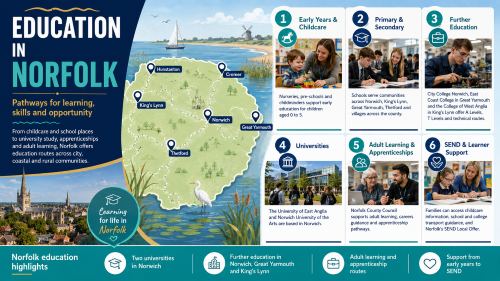
Norfolk offers education from early years to higher education. Families can access nurseries, primary schools, secondary schools, sixth forms, colleges, and universities.
Norfolk County Council manages school admissions. It provides guidance for reception, junior school, secondary school, in-year transfers, appeals, and school admission arrangements.
The county also has strong further education routes. City College Norwich describes itself as a leading college in Norwich. It offers A Levels, career-focused courses, university-level study, and adult learning.
Norfolk also has university options. The University of East Anglia offers undergraduate, postgraduate, PhD, doctorate, CPD, and short course options. It also lists its campus at Norwich Research Park.
Norwich University of the Arts adds a specialist creative route. It describes its campus as a creative hub in Norwich’s cultural quarter, close to galleries, shops, cafés, and bars.
This gives Norfolk a broad learning base. It can support young families, school leavers, adult learners, and students.
Why Move to Norfolk - Employment Opportunities
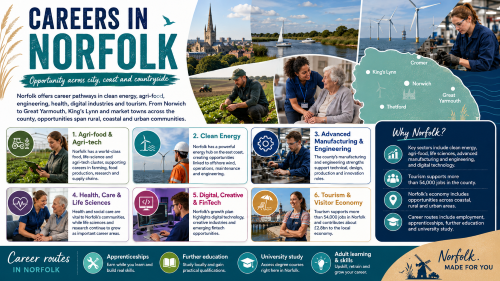
Norfolk has a broad economy. Key sectors include energy, advanced engineering, manufacturing, food, life sciences, agri-tech, tourism, education, healthcare, and digital services.
Norfolk County Council says the county has a powerful energy hub on the east coast. It also highlights advanced engineering, manufacturing, food, life science, and agri-tech strengths.
Tourism is also important. Norfolk County Council states that tourism supports more than 54,000 jobs and contributes about £2.8 billion to the local economy.
Norfolk’s 2024 to 2029 economic strategy highlights clean energy, agri-food, financial services, advanced manufacturing, engineering, and digital technology. These sectors support future growth.
Norwich supports jobs in education, healthcare, finance, digital, retail, hospitality, and public services. Great Yarmouth has strong links to energy and tourism. King’s Lynn supports manufacturing, logistics, food, retail, and port-related activity.
As a result, Norfolk can suit graduates, skilled workers, business owners, remote workers, and families seeking a better work-life balance.
Why Move to Norfolk - Transport Links
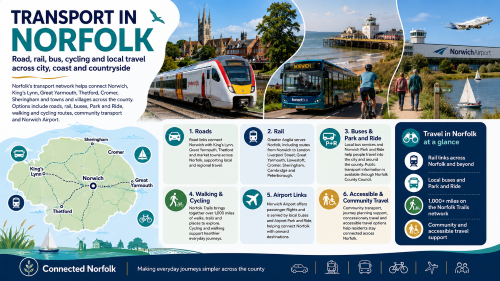
Norfolk has useful road, rail, bus, cycling, and air links. However, access depends on where you live. Norwich and larger towns have stronger connections. Rural villages may need more car use.
The A47 is a key road. Norfolk County Council calls it the main strategic route running east to west across Norfolk. It links Great Yarmouth, Norwich, Dereham, Swaffham, King’s Lynn, Wisbech, and Peterborough.
Rail is also important. Greater Anglia runs trains between Norwich and London Liverpool Street up to two times per hour on weekdays.
Norfolk County Council also promotes Travel Norfolk. It gives residents and visitors up-to-date information on walking, cycling, rail, bus, and park and ride options.
Norwich Airport supports regional and overseas travel. Its current destination list includes Amsterdam, Aberdeen, Alicante, Faro, Ibiza, Jersey, Malta, Menorca, and other seasonal routes.
For commuters, Norwich, Wymondham, Attleborough, Thetford, Diss, and King’s Lynn can be practical choices. Coastal and rural areas may suit those with flexible work or local employment.
Exploring Attractions in Norfolkt
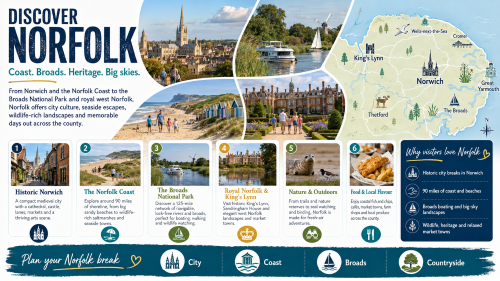
Norfolk has a strong mix of coast, heritage, wildlife, waterways, and family attractions. Residents can enjoy days out without leaving the county.
The Broads are one of Norfolk’s best-known attractions. The Broads Authority says the national park covers 303 square kilometres. It also has rivers, lakes, footpaths, mills, villages, and rare wildlife.
North Norfolk adds beaches, countryside, wildlife, market towns, and places of cultural interest. Visit North Norfolk highlights its 45 miles of coastline, Blue Flag beaches, Deep History Coast, and award-winning beaches.
Sandringham is another major visitor site. The estate provides visitor information for opening times, tickets, accessibility, directions, parking, family visits, dogs, shops, and eating at the estate.
Norfolk also offers Norwich Cathedral, Norwich Castle, Holkham Hall, Houghton Hall, Blickling Estate, Thetford Forest, Cromer Pier, and Great Yarmouth seafront. Each area gives residents a different day out.
Dining Out: The Best Places to Dine in Norfolk
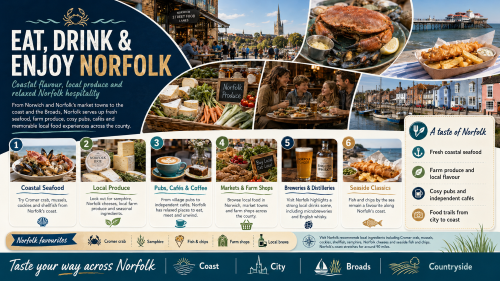
Norfolk has a strong food and drink scene. It draws from coast, farms, markets, breweries, cafés, pubs, and restaurants.
Norwich offers many options. Visit Norwich promotes places to eat and drink across Norwich and Norfolk, from Michelin restaurants to independent cafés.
North Norfolk also has a strong local food identity. Visit North Norfolk highlights seasonal food, local producers, independent delis, gastro pubs, micro-breweries, and restaurants using local ingredients.
Seafood is a clear strength. Coastal areas such as Cromer, Wells-next-the-Sea, Blakeney, Brancaster, Sheringham, and Hunstanton suit buyers who enjoy fish, crab, pubs, cafés, and sea-view dining.
Norfolk’s farming heritage also matters. Local produce supports farm shops, markets, restaurants, breweries, and food festivals. This gives residents access to fresh, seasonal food across the county.
Mortgage Brokers in Norfolk: Securing a Home
Buying in Norfolk can involve many choices. Your best mortgage route depends on your income, deposit, credit profile, property type, and future plans.
A local mortgage broker can help compare lenders. This can help first-time buyers, home movers, remortgage clients, landlords, and self-employed applicants.
Norfolk’s housing market varies by area. A Norwich flat may need a different approach from a coastal cottage or rural home. Some properties may also need extra checks. This can apply to older homes, listed buildings, holiday lets, and homes near flood-risk areas.
Buy-to-let buyers may also need specialist support. Tourist demand can affect some coastal locations. However, lender rules differ for standard buy-to-let, holiday let, and limited company cases.
With the right advice, buyers can move with more confidence. They can also understand affordability, fees, deposit needs, and lender criteria before making an offer.

Why Norfolk is the Perfect Place to Call Home
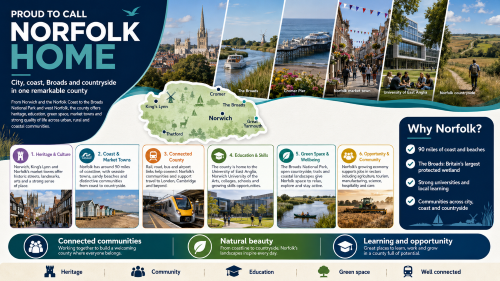
Norfolk appeals because it offers choice. You can live by the coast, near the Broads, in a rural village, or close to Norwich.
Families can look for schools, gardens, and parks. Professionals can choose Norwich, business parks, or hybrid work. Retirees may prefer market towns, seaside locations, or quieter villages. Investors can review demand near universities, tourism areas, and transport links.
The county also offers space and identity. Norfolk has beaches, waterways, historic buildings, independent shops, food producers, and strong local communities.
It may not suit everyone. Some rural areas have limited public transport. Coastal homes may need extra due diligence. Yet many buyers accept this because they value Norfolk’s lifestyle.
For many people, Norfolk offers a practical and peaceful move. It combines nature, heritage, jobs, education, and varied housing.
Browse Our Advisers in Norfolk






People who found this page helpful also explored these related topics:
If you are Looking for a Mortgage Network
“Hi, I’m Liz Syms, Chief Executive Officer and founder of Connect Experts, Connect Mortgages, and Connect for Intermediaries.
If you are a UK mortgage broker based in Norfolk, joining our mortgage network can help you increase your visibility to clients actively searching for trusted, FCA-authorised advice. Brokers featured on our Norfolk mortgage brokers page are matched with clients who value clear communication and professional guidance, including those who prefer advice in a specific language.
Our platform is designed to support compliant, client-focused advisers and help you connect with the right audience across Norfolk.”
Choose the option that suits you best:
Option 1: Schedule a call with our Business Recruitment Manager
Option 2: Complete our contact form
Option 3: Call us

FAQ: Why Move to Norfolk
| Question | Answer |
|---|---|
| Why is Norfolk a great place to live? | Norfolk offers a rare mix of coastal charm, countryside serenity, and thriving local communities. Residents enjoy scenic beaches, nature reserves, and historic market towns while staying connected to larger cities like Cambridge and Norwich. |
| Is Norfolk affordable compared to other parts of the UK? | Yes. Property prices in Norfolk are generally lower than in the South East and London, making it a popular destination for first-time buyers and families looking for more space and better value. |
| What kind of lifestyle can I expect in Norfolk? | Norfolk’s lifestyle is relaxed and outdoors-focused. With access to the Norfolk Broads, unspoilt coastlines, and picturesque villages, it’s ideal for those who value community living and a slower pace of life. |
| Are there good transport links from Norfolk? | Norfolk connects easily to the rest of the UK via the A11, A47, and regular train services to London Liverpool Street. Norwich Airport also offers flights across Europe, making travel convenient for both work and leisure. |
| What job opportunities are available in Norfolk? | Norfolk’s economy is diverse, covering sectors such as renewable energy, healthcare, education, digital technology, and agriculture. Norwich and King’s Lynn host a growing number of employers, offering opportunities for professionals and entrepreneurs alike. |
| Is Norfolk suitable for families? | Absolutely. Norfolk is home to excellent schools, a low crime rate, and abundant green spaces. Families enjoy local events, safe neighbourhoods, and strong community ties that make it a welcoming place to raise children. |
| What makes property investment in Norfolk attractive? | Norfolk’s steady housing market, ongoing regeneration projects, and tourism growth make it appealing for property investors. Coastal and countryside homes offer strong rental demand, particularly for holiday lets. |