Mortgage Rate Ending After Circumstances Changed: A mortgage rate ending does not mean the next application will be assessed under the original rules.
A lender may consider your current:
- Employment and income.
- Credit commitments.
- Payment history.
- Household expenditure.
- Property value and condition.
- Residency.
- Mortgage balance.
- Intended property use.
- Retirement plans.
Do not assume that changed circumstances remove every option.
An adviser can compare a product transfer, remortgage or another suitable route before an application is made.
The mortgage may be unchanged, but the borrower may not be
Several years can pass during a fixed mortgage period.
During that time, a borrower may change jobs, become self-employed, have children, take credit or prepare for retirement.
The property may also have changed.
It may now be worth more, require repairs or be used differently.
When the current rate ends, these changes become relevant because a new lender assesses the application as it exists now.
The original mortgage approval does not automatically grant approval to a new lender.
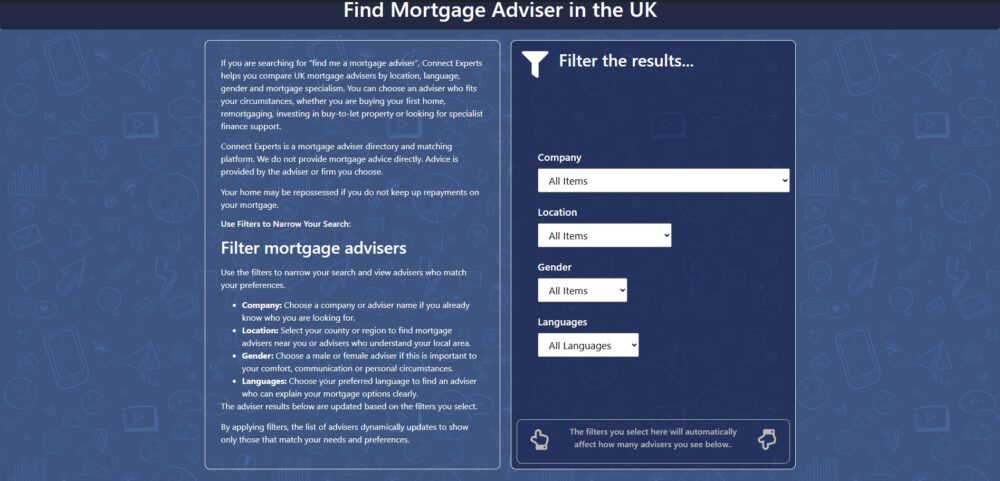
Use the mortgage rate ending adviser directory to find advisers who can review changed circumstances before your existing deal expires.
Your income has changed
Income changes can be positive or negative.
Examples include:
- A salary increase.
- Reduced working hours.
- A new employer.
- A probationary period.
- Overtime or bonus income.
- Commission.
- Contract work.
- Self-employment.
- Dividend income.
- Rental income.
- Pension income.
- Maternity or parental leave.
Not all lenders treat these income sources the same way.
One lender may use an average of variable earnings. Another may require a longer history.
A self-employed applicant may be assessed using salary and dividends, net profit or another measure. The method can depend on the business structure and the lender’s policy.
An adviser can identify which evidence is likely to be required before an application is submitted.
You have taken on more credit
New credit commitments affect monthly expenditure.
These may include:
- Personal loans.
- Car finance.
- Credit cards.
- Student loan deductions.
- Childcare costs.
- Maintenance payments.
- Buy-now-pay-later arrangements.
- Other mortgages.
A credit balance affects more than just the credit score.
The required monthly payment can also reduce mortgage affordability.
Paying off a commitment before applying may change the calculation. However, it should not be done without considering savings, emergency funds and any settlement cost.
An adviser should base the review on accurate balances and monthly payments.
Your credit history has changed
Missed payments, defaults, county court judgments and other credit events can affect lender choice.
The effect often depends on:
- The type of credit issue.
- The amount.
- When it occurred.
- Whether it has been satisfied.
- The reason behind it.
- The recent payment record.
- The proposed loan-to-value ratio.
One declined application does not prove that every lender would reach the same decision.
However, repeated applications can create further credit searches.
A criteria-led review can reduce unsuitable applications.
Connect Experts allows users to find a mortgage adviser by expertise before choosing whom to contact.
Your property value has changed
A new property value can alter the loan-to-value ratio.
Loan-to-value compares the mortgage balance with the property value.
For example, a £180,000 mortgage on a £300,000 property represents 60% loan-to-value.
A lower ratio may provide access to a different product range. A higher ratio may reduce the available options.
The lender will normally use its accepted valuation rather than the homeowner’s estimate.
Property condition can also matter. Serious defects, unusual construction or incomplete work may affect lending suitability.
The property use has changed
A residential mortgage is granted for a home occupied under the agreed terms.
If the property has been let, used in part for business, or occupied differently, the existing and future lenders may need to know.
Do not assume a standard residential remortgage remains suitable.
A landlord whose borrowing deal is ending may need a buy-to-let mortgage adviser who understands rental assessment and landlord criteria.
The adviser should establish the property’s actual use before discussing products.
You plan to move home
A borrower may be tempted to take a new fixed deal even when a move is likely.
This requires careful consideration.
A portable mortgage may potentially move to another property. However, portability remains subject to:
- A new application.
- Affordability.
- The new property.
- Lender criteria.
- The requested loan amount.
- The timing of the move.
An early repayment charge could apply if the mortgage cannot be ported as expected.
The future move should therefore form part of the rate-ending review.
You can also search for home-mover mortgage advisers whose main objective is moving.
You are approaching retirement
A mortgage extending into retirement can require evidence of future income.
A lender may consider:
- State Pension.
- Workplace pensions.
- Personal pensions.
- Investment income.
- Rental income.
- The proposed retirement age.
- The repayment strategy.
- The mortgage term.
The assessment differs between lenders.
Reducing the monthly payment by extending the mortgage term may result in the debt running further into retirement.
The immediate payment and long-term effect should both be considered.
You need to borrow more
Some borrowers review their mortgage because they also want additional money.
The purpose might include:
- Home improvements.
- Buying another person’s share.
- Education costs.
- Property investment.
- Consolidating selected debts.
Additional borrowing changes the affordability and risk assessment.
Debt consolidation can turn unsecured borrowing into debt secured against the home. It may also spread repayment over a longer period.
A lower monthly payment can therefore result in a higher total cost.
The adviser should explain the risks, costs and alternatives.
Your current lender versus another lender
Changed circumstances can influence the available route.
A product transfer with the current lender may use a different process from a remortgage with a new lender.
However, borrowers should not conceal material information or assume that no checks apply.
The practical comparison is:
- What can the current lender offer?
- What could another lender offer?
- Which route fits the borrower’s current evidence?
- What are the fees and restrictions?
- What is the long-term cost?
Check regulatory status
Before accepting mortgage advice, check the adviser or firm.
The Financial Services Register records firms and individuals authorised or approved for regulated financial activities.
Check:
- The firm name.
- Trading names.
- Reference number.
- Contact details.
- Regulatory permissions.
- Any warnings or restrictions.
Connect Experts is a directory and matching platform. The adviser or firm selected by the user provides the mortgage advice.
Frequently asked questions
Can I remortgage after changing jobs?
Possibly. Lenders have different rules for new employment and probation periods.
Your income, role, contract and employment history may be considered.
Can I change mortgage after becoming self-employed?
Possibly. Evidence requirements and income calculations differ between lenders.
Speak with an adviser before applying.
Does a missed payment prevent every remortgage?
Not necessarily.
The type, amount, timing and recent payment record can all matter.
Can increased property value improve my options?
It may reduce the loan-to-value ratio.
The lender’s accepted valuation will determine the ratio used.
Should I tell an adviser about every change?
Provide complete and accurate information.
An adviser can only assess possible routes using the facts disclosed.
Find an adviser who understands the change
A mortgage review is not an attempt to recreate the original application.
It is an assessment of the borrower, property and plans as they stand today.
Use Connect Experts to compare advisers with experience relevant to your circumstances before your current deal ends.