Documents Needed Before Your Mortgage Rate Ends: Preparing documents early can make a mortgage rate review more accurate.
An adviser may ask for:
- Proof of identity and address.
- Current mortgage statements.
- Income evidence.
- Bank statements.
- Details of loans and credit cards.
- Property information.
- Evidence of savings.
- Insurance or lease documents where relevant.
- Information about future plans.
Do not alter or hide information.
The lender and adviser need accurate evidence to assess suitability and eligibility.
Why documents matter before a rate ends
Mortgage advice begins with facts.
An interest rate can be compared in seconds. Suitability cannot.
The adviser must understand the existing mortgage, household income, regular costs, property and future plans.
Incomplete information can produce an unreliable comparison.
It may also cause:
- Delayed applications.
- Additional questions.
- Changed affordability results.
- Withdrawn recommendations.
- Missed completion dates.
Document preparation should therefore begin before the current deal expires.
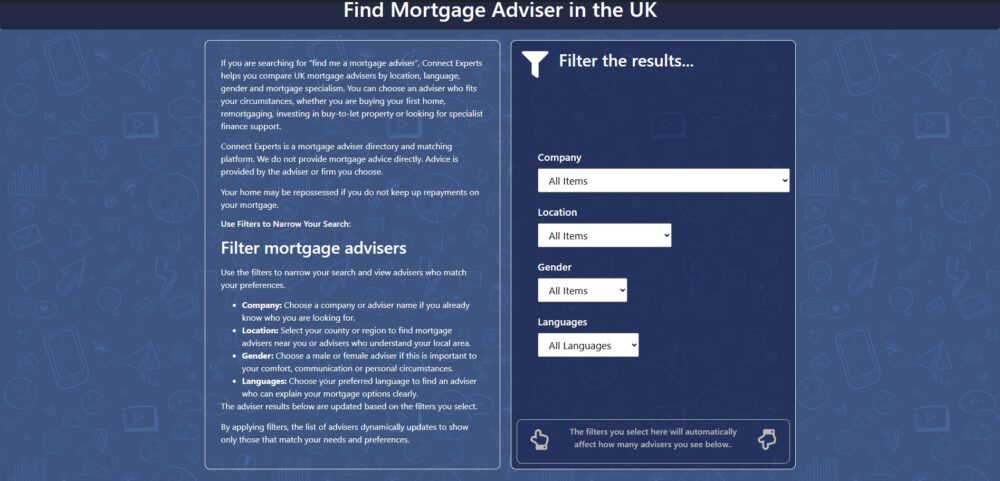
Find a suitable adviser through the mortgage rate ending adviser page and ask which documents apply to your case.
Proof of identity
The adviser or lender may require valid identification.
Examples can include:
- Passport.
- Photocard driving licence.
- Residence document.
- Other accepted photographic identification.
The document must usually be current and clearly legible.
The name should match the mortgage application. Explain any recent name change and provide supporting evidence where required.
Proof of address
Accepted evidence may include:
- Council Tax statement.
- Utility bill.
- Bank statement.
- Credit card statement.
- Government correspondence.
- Driving licence, where accepted.
The document may need to fall within a specified date range.
An online statement may be acceptable, but the lender can set formatting requirements.
Current mortgage information
Provide details of the mortgage being reviewed.
Useful evidence includes:
- Latest annual statement.
- Current balance.
- Mortgage account number.
- Product end date.
- Interest rate.
- Monthly payment.
- Remaining term.
- Early repayment charge.
- Current lender.
- Repayment method.
The adviser may also request a redemption statement later in the process.
A redemption statement shows the amount required to repay the existing mortgage on a stated date.
Evidence for employed applicants
An employed borrower may be asked for:
- Recent payslips.
- Recent bank statements.
- Latest P60.
- Employment contract.
- Employer details.
- Evidence of bonuses, overtime or commission.
- Details of expected changes to pay or working hours.
The exact period differs between lenders.
Variable income may be averaged or restricted.
Tell the adviser if any payslip contains unusual deductions, back pay, unpaid leave or a one-off bonus.
Evidence for self-employed applicants
A self-employed borrower may need:
- Finalised accounts.
- Tax calculations.
- Tax year overviews.
- Business bank statements.
- Personal bank statements.
- Accountant details.
- Company information.
- Evidence of ongoing contracts.
- Details of salary and dividends.
The documents depend on the business structure and lender.
A sole trader, a partner, and a company director may be assessed differently.
Connect Experts provides a route to find self-employed mortgage brokers who can discuss relevant lender evidence.
Bank statements
Bank statements help confirm income and expenditure.
They may show:
- Salary or other income.
- Mortgage payments.
- Loan repayments.
- Regular household costs.
- Childcare.
- Maintenance.
- Gambling transactions.
- Unarranged overdraft use.
- Returned payments.
- Transfers between accounts.
A lender does not assess one transaction in isolation.
It considers the statement alongside the whole application and its own criteria.
Do not edit a statement or remove pages.
Explain unusual transactions honestly.
Credit commitments
Prepare an accurate list of:
- Credit cards.
- Personal loans.
- Vehicle finance.
- Store cards.
- Hire purchase.
- Student loan deductions.
- Overdrafts.
- Buy-now-pay-later agreements.
- Maintenance obligations.
- Other mortgages.
Include the balance, monthly payment and expected end date where possible.
The credit report and declared commitments should be consistent.
You may find it helpful to read the Connect Experts guide on mortgage affordability before the review.
Property information
The adviser may need:
- Full address.
- Estimated value.
- Property type.
- Construction type.
- Number of bedrooms.
- Tenure.
- Remaining lease term.
- Service charge.
- Ground rent.
- Details of extensions or alterations.
- Current occupancy.
- Intended future use.
Leasehold properties can require further documents.
These may include lease details, service charge information, and building management documents.
Unusual construction or major defects should be disclosed early.
Evidence for additional borrowing
Where the borrower wants further funds, the adviser may ask about the purpose.
Evidence could include:
- Building quotations.
- Planning permission.
- Debt statements.
- Separation agreement.
- Probate documents.
- Evidence of another person’s ownership share.
The purpose of the funds can affect lender choice and advice.
Borrowing more is not simply an extension of the current balance.
It raises a new question of affordability and suitability.
Evidence for buy-to-let property
A landlord may need:
- Tenancy agreement.
- Rental statements.
- Current rent.
- Expected market rent.
- Existing mortgage statement.
- Property portfolio schedule.
- Limited company details.
- Personal or company income evidence.
- Details of other properties.
Buy-to-let assessments often focus on expected rental cover, as well as borrower and property criteria.
Landlords can use the buy-to-let mortgage rate ending guide before contacting an adviser.
Evidence of future plans
Not every relevant fact appears on a financial statement.
Tell the adviser about plans to:
- Move home.
- Retire.
- Reduce working hours.
- Start a family.
- Become self-employed.
- Let the property.
- Make large overpayments.
- Borrow more.
- Sell the property.
- Separate finances.
A mortgage recommendation should remain practical for the intended period.
The documentation describes the present. The conversation explains the future.
How to send documents securely
Ask the adviser how documents should be supplied.
Use an approved secure portal or another method confirmed by the firm.
Avoid sending sensitive documents through an unverified address or messaging account.
Before uploading files:
- Check the recipient.
- Use clear scans.
- Include every page.
- Keep the original document.
- Use the requested file format.
- Confirm that the upload completed.
Never send online banking passwords, card PINs or security codes.
What happens after the documents are reviewed?
The adviser may:
- Confirm your objectives.
- Check the current mortgage.
- Review income and expenditure.
- Discuss credit history.
- Research lender criteria.
- Compare product-transfer and remortgage routes.
- Explain fees and risks.
- Recommend a suitable option.
- Help prepare the application.
- Request further evidence where needed.
A document request does not mean the mortgage has been approved.
The lender makes its own decision after assessing the application and property.
Frequently asked questions
Must every borrower provide the same documents?
No. Requirements depend on employment, income, property, lender and mortgage purpose.
How recent must bank statements be?
The required period varies.
Ask the adviser which months and accounts are needed.
Can screenshots replace statements?
Not always.
A lender may require complete statements showing the account holder, account number, transactions and statement period.
What if a document contains incorrect information?
Tell the adviser immediately.
Do not amend an official document yourself.
Will preparing documents guarantee approval?
No.
Documents allow the adviser and lender to assess the case. They do not guarantee acceptance.
Where can I check how mortgage rates work?
MoneyHelper explains the main fixed and variable mortgage rate types.
Find an adviser and prepare before the deadline
Mortgage documents are not administrative clutter.
Together, they describe the financial position a lender is being asked to support.
Preparing them early can reveal missing information before timing becomes critical.
Use Connect Experts to compare advisers by location, expertise, language and contact preference before your current mortgage rate ends.