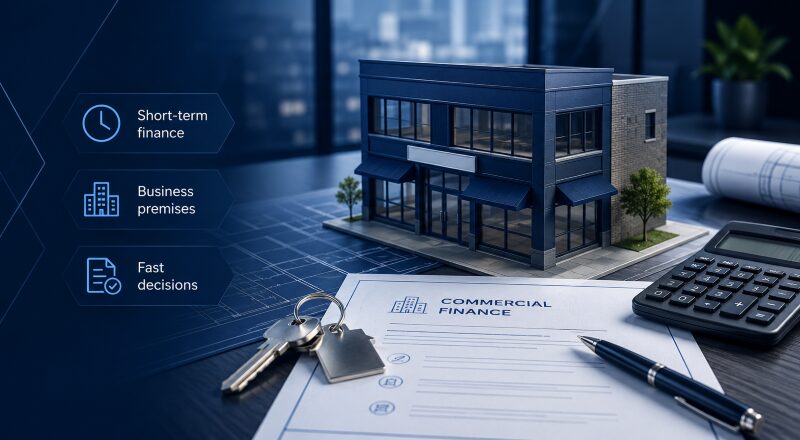
Bridging Loans for Business Premises: Business premises are both property and infrastructure.
A warehouse supports distribution. A surgery provides treatment rooms. An office gives a company a working base.
When the acquisition deadline is short, bridging finance may provide temporary funding before a commercial mortgage becomes available.
The assessment must consider both the building and the business expected to occupy it.
At a Glance
An owner-occupied commercial bridging loan may support a business buying or refinancing premises used for trading.
It may be considered when:
- Completion is urgent
- The property is being bought at auction
- The building requires work
- The business must relocate quickly
- A commercial mortgage cannot complete in time
- Accounts or occupancy arrangements require further preparation
The likely exit is often an owner-occupied commercial mortgage.
What is owner-occupied commercial property?
Owner-occupied commercial property is used by the borrowing business for its own activities.
Examples include:
- Offices
- Warehouses
- Factories
- Workshops
- Retail premises
- Medical practices
- Dental surgeries
- Hotels
- Restaurants
- Nurseries
- Professional service premises
This differs from a commercial investment property, which is mainly held and rented to another business.
Why might a business use bridging finance?
Rapid acquisition
The seller may require completion before a standard commercial mortgage can finish.
Auction purchase
A binding auction deadline may require faster funding.
Business relocation
The company may need new premises before its existing property sells.
Refurbishment
The new premises may require work before occupation or mortgage approval.
Vacant possession
The property may become available only after a current tenant leaves.
Financial reporting timetable
The company may be preparing updated accounts required for longer-term finance.
Bridging should not replace viable long-term finance without a clear reason.
How the property is assessed
The lender may consider:
- Market value
- Vacant possession value
- Current condition
- Specialist nature
- Alternative uses
- Location
- Saleability
- Environmental issues
- Planning use
- Access and services
A highly specialised property may serve the business well but have a narrower resale market.
That can influence lender appetite and loan-to-value.
How the business is assessed
Although the facility is secured against property, the lender may still examine:
- Trading history
- Annual turnover
- Profitability
- Cash flow
- Existing borrowing
- Business plan
- Director experience
- Deposit source
- Credit profile
- Purpose of the premises
- Proposed repayment route
The future commercial mortgage lender may conduct a more detailed affordability assessment.
Limited company, individual or pension ownership
Commercial premises may be bought through:
- A trading company
- A separate property company
- An individual
- A partnership
- A pension structure, subject to specialist rules
Ownership affects legal work, tax treatment and lender choice.
Borrowers should obtain legal, accounting and tax advice. A mortgage adviser cannot replace those services.
Refinancing onto an owner-occupied mortgage
The planned commercial mortgage may consider whether the business can support the repayments.
Evidence might include:
- Filed accounts
- Management accounts
- Bank statements
- Tax documents
- Forecasts
- Existing debt schedules
- Details of directors
- Property information
Explore the Owner-Occupied Commercial Mortgage Adviser Search when the business intends to trade from the premises.
Working capital must remain separate
Using every available business reserve for the deposit can create pressure after completion.
The business may also need funds for:
- Stamp duty or transaction tax
- Professional fees
- Moving costs
- Equipment
- Refurbishment
- Insurance
- Utilities
- Rates
- Staffing
- Stock
- Contingency
Property ownership should support the business rather than deprive it of operating cash.
The Government provides a searchable source of business finance and support schemes.
Questions to examine before proceeding
- Why is bridging required?
- What deadline must be met?
- Can the business afford the eventual mortgage?
- Does the property have a specialist use?
- Are planning and licensing correct?
- How much working capital remains?
- What is the full bridge repayment figure?
- When will the commercial mortgage application begin?
- Is a sale a realistic alternative exit?
These questions turn urgency into a structured decision.
Frequently asked questions
Can a business use bridging finance to buy its premises?
Potentially. The lender will assess the property, business, deposit, purpose and exit strategy.
Can a new business obtain a commercial bridge?
Some lenders may consider newer businesses. The property, experience, equity and exit route may become more important.
Can the business refinance onto a commercial mortgage?
Potentially. The business and property must meet the future lender’s requirements.
Can bridging finance pay for refurbishment?
Some facilities may include refurbishment funds. The structure and release method vary.
Is commercial bridging always unregulated?
No. The status depends on the borrower, security, occupancy and transaction structure.
Find a commercial mortgage adviser
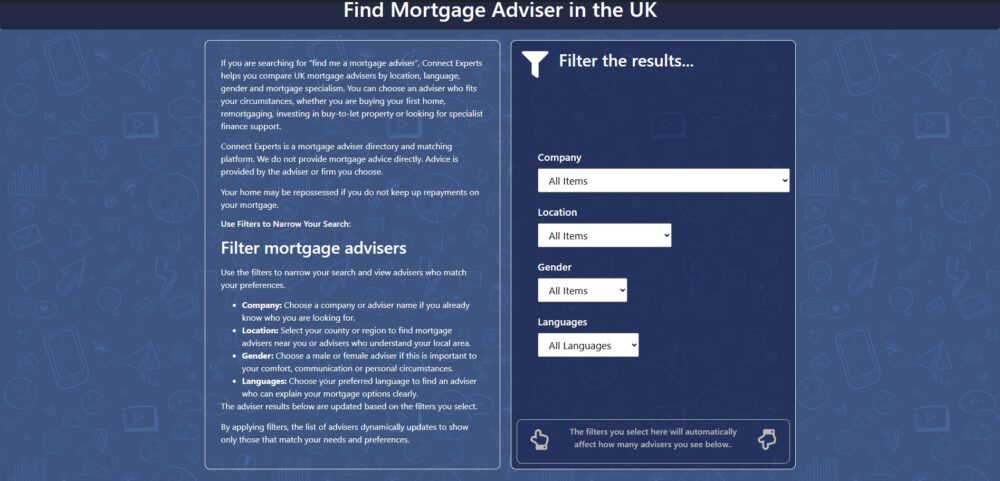
Use the Find Mortgage Advisers directory to search by mortgage type, location, language and other preferences.
Business premises can represent stability, identity and control. Short-term borrowing should protect those aims rather than place them at unnecessary risk.