Home Purchase Plan or Islamic Mortgage? An Islamic mortgage is often structured as a Home Purchase Plan rather than an interest-bearing loan. The provider may buy all or part of the property, while the customer makes rental and acquisition payments. Before applying, establish which legal structure is being offered, how ownership changes and which costs apply.
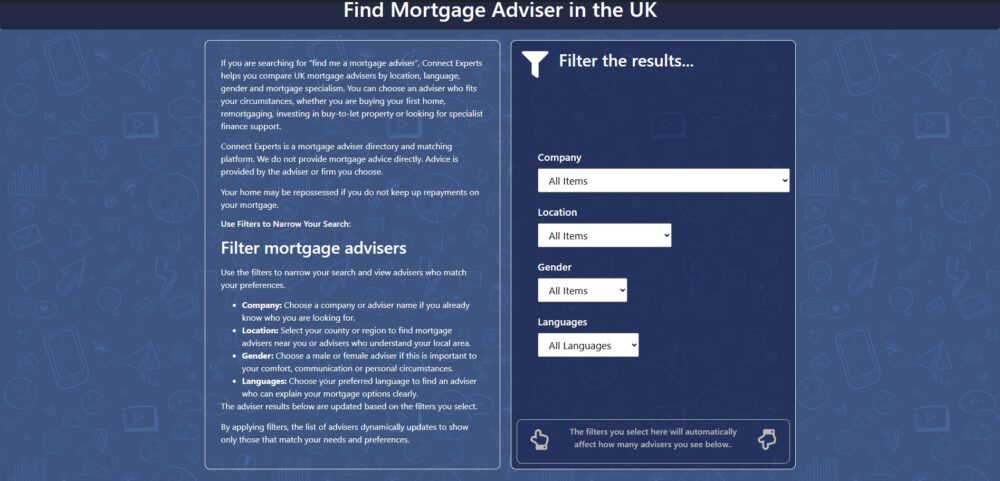
Connect Experts helps you find mortgage advisers who understand Sharia-compliant home finance. You can compare adviser profiles before deciding whom to contact.
Why the Product Name Matters
The phrase “Islamic mortgage” makes the product easier to recognise. However, it does not always describe the legal contract.
A conventional mortgage normally involves borrowing money secured against a property. The borrower repays the capital with interest.
Islamic home finance is designed differently. Depending on the provider, the arrangement may involve shared ownership, leasing or a sale at an agreed profit.
The distinction matters because it can affect:
- Who owns the property during the term.
- How monthly payments are divided.
- Which legal documents are required.
- What happens when the property is sold.
- How early repayment works.
- Which regulatory rules apply.
A name may explain the purpose. The contract explains the commitment.
Home Purchase Plans
A Home Purchase Plan usually involves the provider acquiring an interest in the property.
The customer may make two forms of payment:
- Rent for using the provider’s share.
- Acquisition payments that increase the customer’s ownership.
The customer’s share can gradually increase until the provider’s interest has been purchased. The exact process depends on the agreement.
Home Purchase Plans can be regulated financial products. The Financial Conduct Authority provides rules and guidance on activities related to these arrangements.
Read the FCA guidance on Home Purchase Plans before relying on general descriptions.
Diminishing Musharaka
Diminishing Musharaka is based on shared ownership.
The customer and provider acquire different shares in the property. The customer then purchases the provider’s share over time.
Monthly payments may contain:
- Rent for the part owned by the provider.
- Payments towards buying further ownership units.
- Administration or service charges where applicable.
Applicants should ask whether rental payments can change. They should also establish how ownership units are valued.
Ijara
Ijara is based on leasing.
The provider purchases the property and grants the customer a right to occupy it. The customer pays rent under the agreed lease.
Some arrangements include a route towards eventual ownership. Others may operate differently.
Important questions include:
- Who is responsible for repairs?
- Can the rent be reviewed?
- When does ownership transfer?
- What happens if the customer moves?
- Are there restrictions on alterations?
Murabaha
Murabaha is structured as a sale at an agreed profit.
The provider purchases the property and sells it to the customer for a higher agreed amount. The customer then pays that price over a defined period.
The FCA explains that some Murabaha arrangements may fall within regulated mortgage rules rather than Home Purchase Plan rules. Classification depends on how the transaction is constructed.
This is why applicants should not judge a product by its marketing name alone.
What Should You Compare?
Compare the complete transaction rather than one monthly figure.
Ask for a breakdown of:
- Initial contribution.
- Rental payments.
- Acquisition payments.
- Product fees.
- Valuation costs.
- Legal costs.
- Administration charges.
- Review provisions.
- Early settlement terms.
- Sale and refinancing procedures.
Two arrangements can have similar monthly costs while creating different legal and financial obligations.
Can an Adviser Confirm Religious Compliance?
A mortgage adviser can explain the product and provider process. They can identify the stated Sharia governance arrangements and help you understand the paperwork.
However, a mortgage adviser does not issue a religious ruling.
Applicants who require religious confirmation should ask:
- Whether the provider has a Sharia supervisory board.
- Which scholars approved the product.
- Whether a published certification is available.
- How compliance is reviewed.
- Whether the structure has changed since approval.
Financial suitability and religious acceptability are related questions, but they are not identical.
Finding an Adviser Through Connect Experts
Use the Sharia-compliant mortgage adviser search to review advisers who may support Islamic home finance enquiries.
When comparing profiles, check:
- The adviser’s stated permissions.
- Experience with Home Purchase Plans.
- Appointment methods.
- Languages spoken.
- Location coverage.
- Adviser or firm fees.
- Contact details.
Connect Experts is a directory and matching platform. It does not provide mortgage advice directly. Advice is provided by the adviser or firm you select.
Questions to Ask During the First Meeting
Ask the adviser:
- Which structure is being recommended?
- Is the arrangement a Home Purchase Plan or regulated mortgage contract?
- How will ownership be registered?
- Can rental payments change?
- What happens if I repay early?
- What happens when I sell?
- Which charges are not included in the monthly illustration?
- Does the provider publish its Sharia governance process?
A well-understood agreement is not merely one with clear payments. It is one where the customer understands the ownership, responsibilities and exit route.
Find a Sharia-Compliant Mortgage Adviser
Compare suitable advisers through Connect Experts before choosing whom to contact.
Find Sharia law compliant brokers