
Semi-Commercial Bridging Loans Explained: A mixed-use building does not fit neatly into one lending category.
A shop with flats above combines commercial and residential space. So might an office with living accommodation or a public house with an owner’s residence.
Semi-commercial bridging loans can provide short-term finance where the property, deadline or intended works prevent an immediate long-term mortgage.
The mixed-use changes how lenders assess value, income, and regulation.
At a Glance
A semi-commercial bridging loan is short-term finance secured against a property containing commercial and residential elements.
It may be considered for:
- Auction purchases
- Fast completions
- Vacant mixed-use property
- Refurbishment
- Lease changes
- Title restructuring
- Change of use
- Short-term refinancing
The lender will examine both parts of the building and the proposed exit.
What counts as semi-commercial property?
Examples may include:
- A shop with one or more flats above
- An office with residential accommodation
- A restaurant with an upstairs flat
- A public house with living quarters
- A workshop with a residential unit
- A dental practice with a flat
- A retail parade containing residential units
- A building split between business and domestic use
The residential and commercial parts may sit under one title or several titles.
That legal structure can affect lender choice.
Why might a mixed-use property need bridging finance?
The property is being bought at auction
Auction timescales may be shorter than a semi-commercial mortgage process.
Part of the building is vacant
The residential unit, commercial unit or entire property may lack current income.
Refurbishment is required
Works may be necessary before the building can be occupied, rented or refinanced.
The leases need changing
A lender may require clearer tenancy arrangements or longer commercial leases.
The titles need restructuring
The buyer may intend to divide, combine or alter property titles after completion.
Planning matters remain unresolved
The proposed use may require confirmation or permission before long-term finance becomes available.
How mixed-use value is assessed
The valuation may examine:
- Commercial floor space
- Residential floor space
- Existing leases
- Market rent
- Residential rental income
- Vacant possession value
- Local demand
- Property condition
- Alternative uses
- Saleability
The commercial unit may be valued using investment yield or trading evidence.
The residential accommodation may be considered using comparable local sales or rents.
A simple average of both sections is unlikely to explain the whole value.
Rental income and occupancy
Where the property is let, the lender may review:
- Tenant identity
- Lease length
- Break clauses
- Rent review terms
- Arrears
- Repairing obligations
- Residential tenancy agreements
- Vacant units
- Proposed new tenants
The income may matter more to the planned exit than the initial bridge.
A future semi-commercial mortgage lender may expect sustainable rent or business affordability.
For more detail, read the Semi-Commercial Mortgage Guide.
Regulatory status
Mixed-use cases require careful classification.
The residential part of the property can affect whether the finance falls within regulated mortgage rules.
The FCA explains that occupancy and property use are relevant when determining whether a loan is a regulated mortgage contract.
Read the FCA guidance on regulated mortgage contracts and seek advice for the specific transaction.
A mixed-use label alone does not decide the regulatory position.
Common exit strategies
A semi-commercial bridge may be repaid through:
- A semi-commercial mortgage
- A commercial investment mortgage
- An owner-occupied commercial mortgage
- Sale of the entire property
- Sale of separate units
- Refinancing after works
- Refinancing after new leases begin
The exit lender may apply different valuation and affordability rules from the bridge lender.
That difference should be examined at the beginning.
Costs and interest structure
Potential costs include:
- Monthly interest
- Retained or rolled-up interest
- Arrangement fees
- Valuation charges
- Commercial legal fees
- Residential legal work
- Adviser fees
- Title or lease work
- Property insurance
- Exit charges, where applicable
Mixed-use legal work may take longer when leases, titles or occupancy arrangements are unclear.
Fast funding cannot remove unresolved legal risk.
What to tell an adviser
Prepare:
- The full property address
- Purchase price
- Current valuation
- Commercial and residential floor areas
- Existing tenancy details
- Planned works
- Planning information
- Deposit source
- Required deadline
- Intended property use
- Exit strategy
Good information helps an adviser identify suitable lenders earlier.
Frequently asked questions
What is a semi-commercial bridging loan?
It is short-term property finance secured against a building containing both residential and commercial use.
Can it fund a shop with flats above?
Potentially. The lender will assess the property, leases, value, condition and repayment plan.
Can rental income support the application?
Rental income may support the case, particularly where the exit involves a longer-term mortgage.
Is semi-commercial bridging regulated?
It may be regulated in some circumstances. Property use, occupancy and borrower structure should be reviewed.
Can the property be refinanced after refurbishment?
Potentially. The completed property must meet the chosen long-term lender’s requirements.
Search for a semi-commercial finance adviser
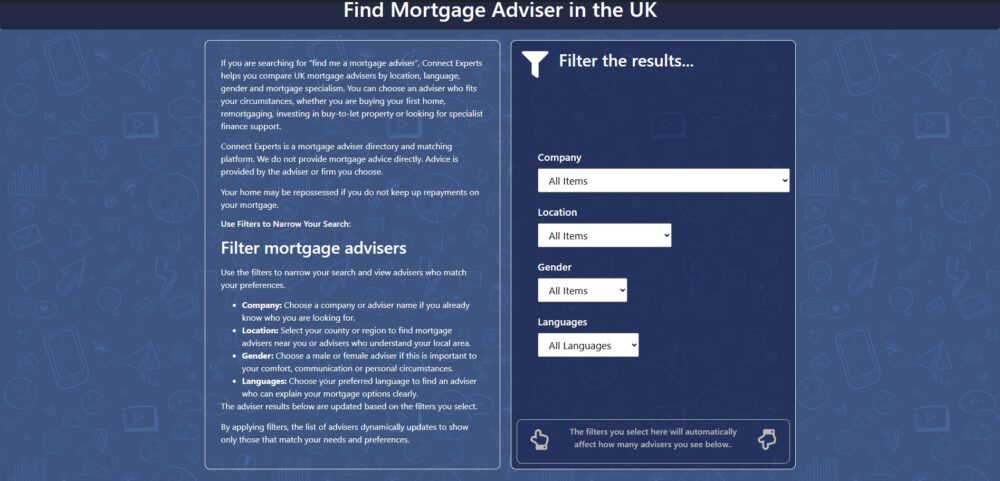
Connect Experts helps users compare mortgage advisers by relevant expertise, language, location and preferences.
Start with the Commercial Mortgage Search when the transaction includes bridging, commercial mortgages or mixed-use finance.
Mixed-use property combines different purposes within one structure. The finance must recognise each part without losing sight of the whole.